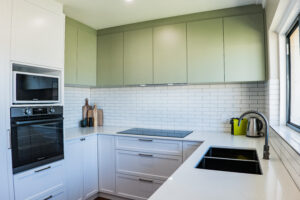
When people talk about a functional kitchen, it might sound like design jargon, but it’s one of the most important aspects of a great kitchen. Functionality is all about how well a kitchen works for the people using it. A kitchen may look beautiful, but if it’s frustrating to cook, clean, or entertain in, it’s not truly functional. Let’s break it down.
The Layout Matters
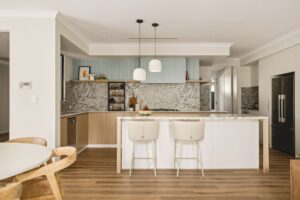
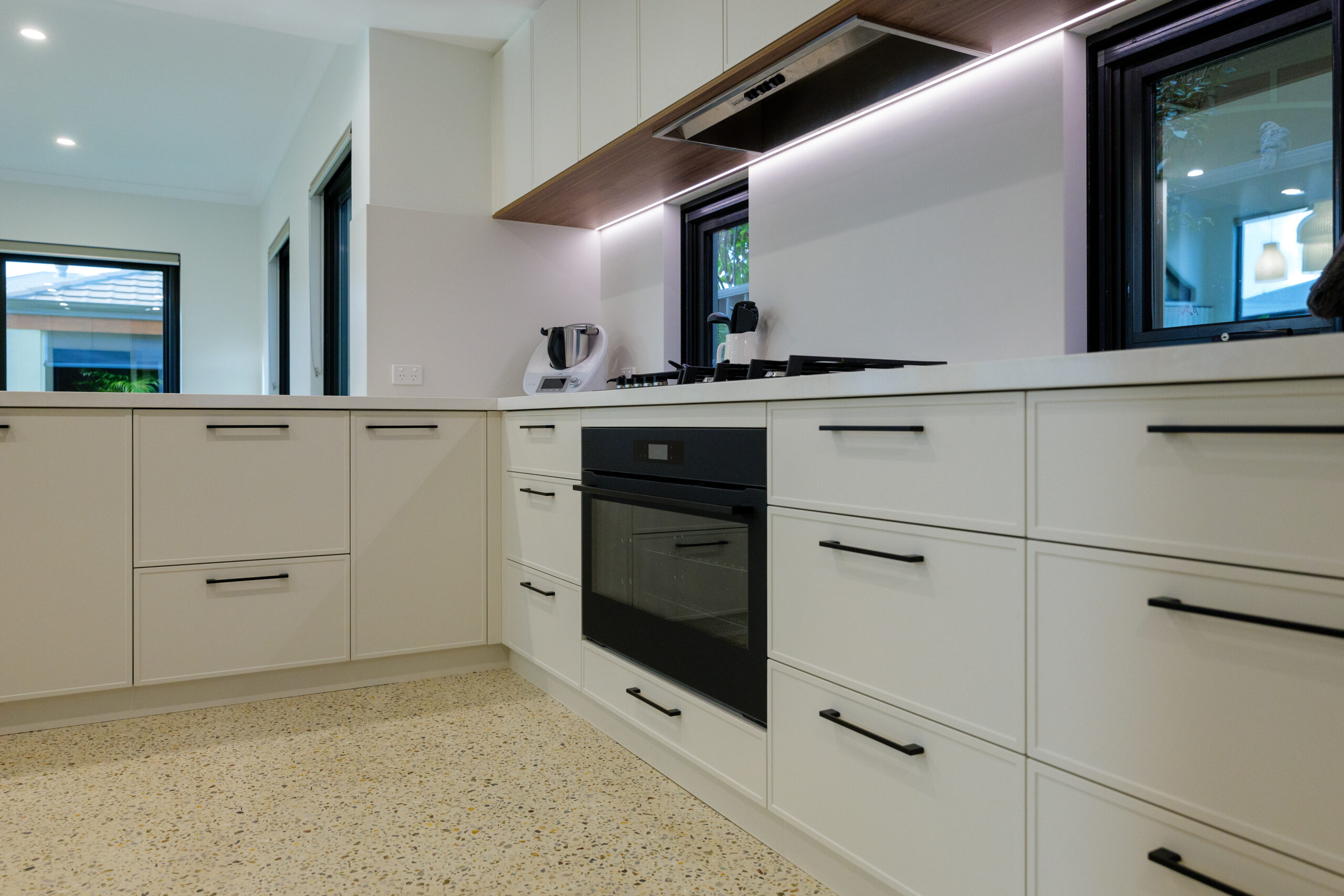
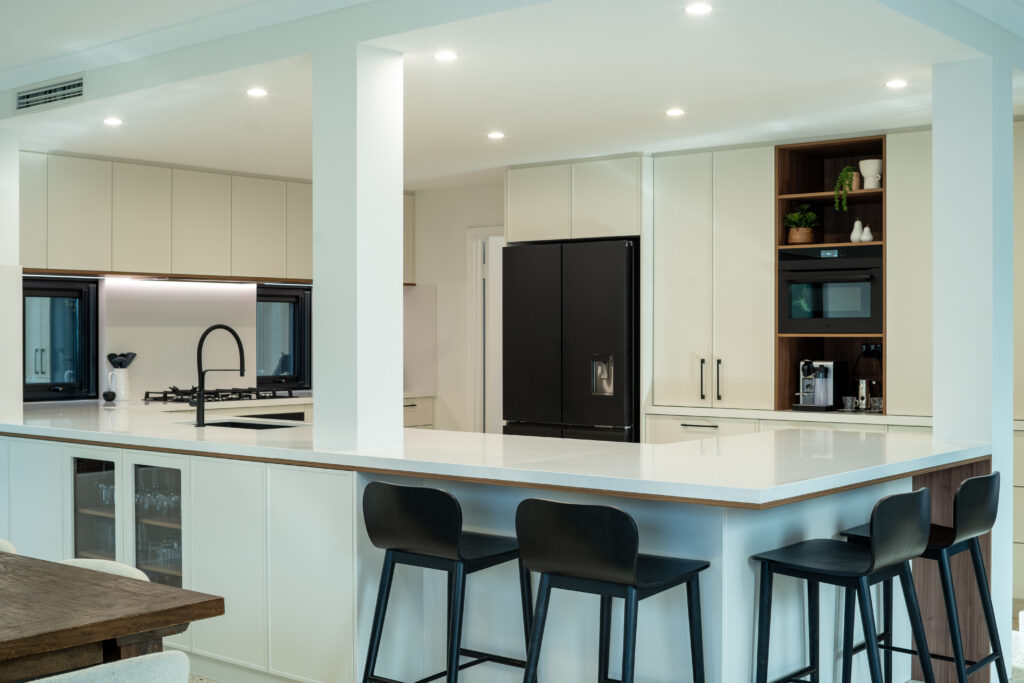
A functional kitchen flows logically. A common design principle is the work triangle: the sink, stove and fridge should form a triangle that makes moving between them efficient. You don’t want to be running across the room every time you grab an ingredient or wash a dish.
Tips for flow:
- Keep the prep area close to both the fridge and stove.
- Ensure there’s enough space for multiple people to move without bumping into each other.
- If you entertain often, think about the route from kitchen to dining area.
Smart Storage Solutions
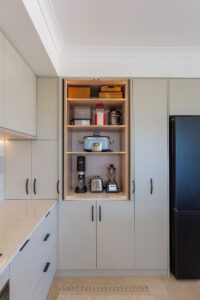
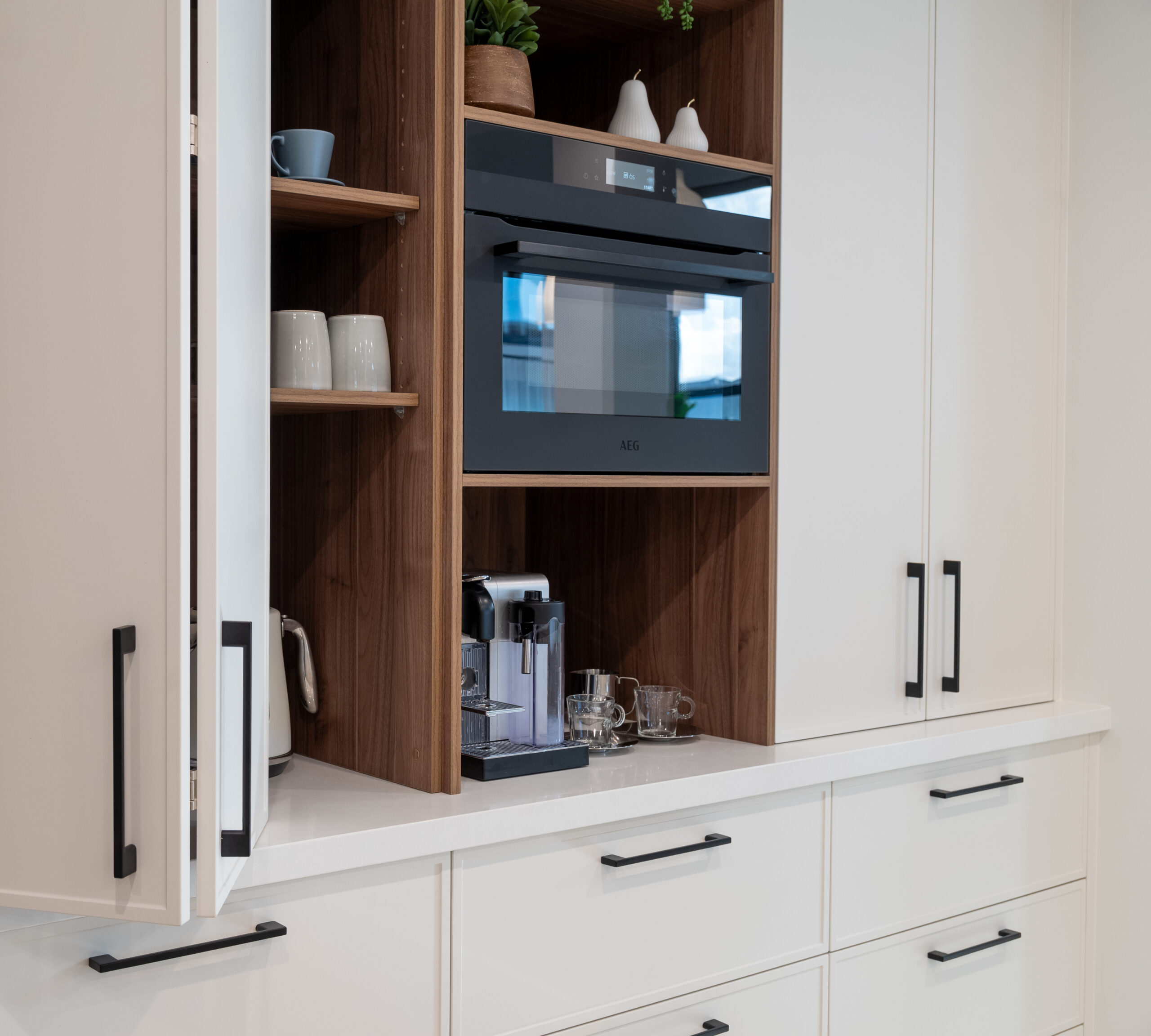
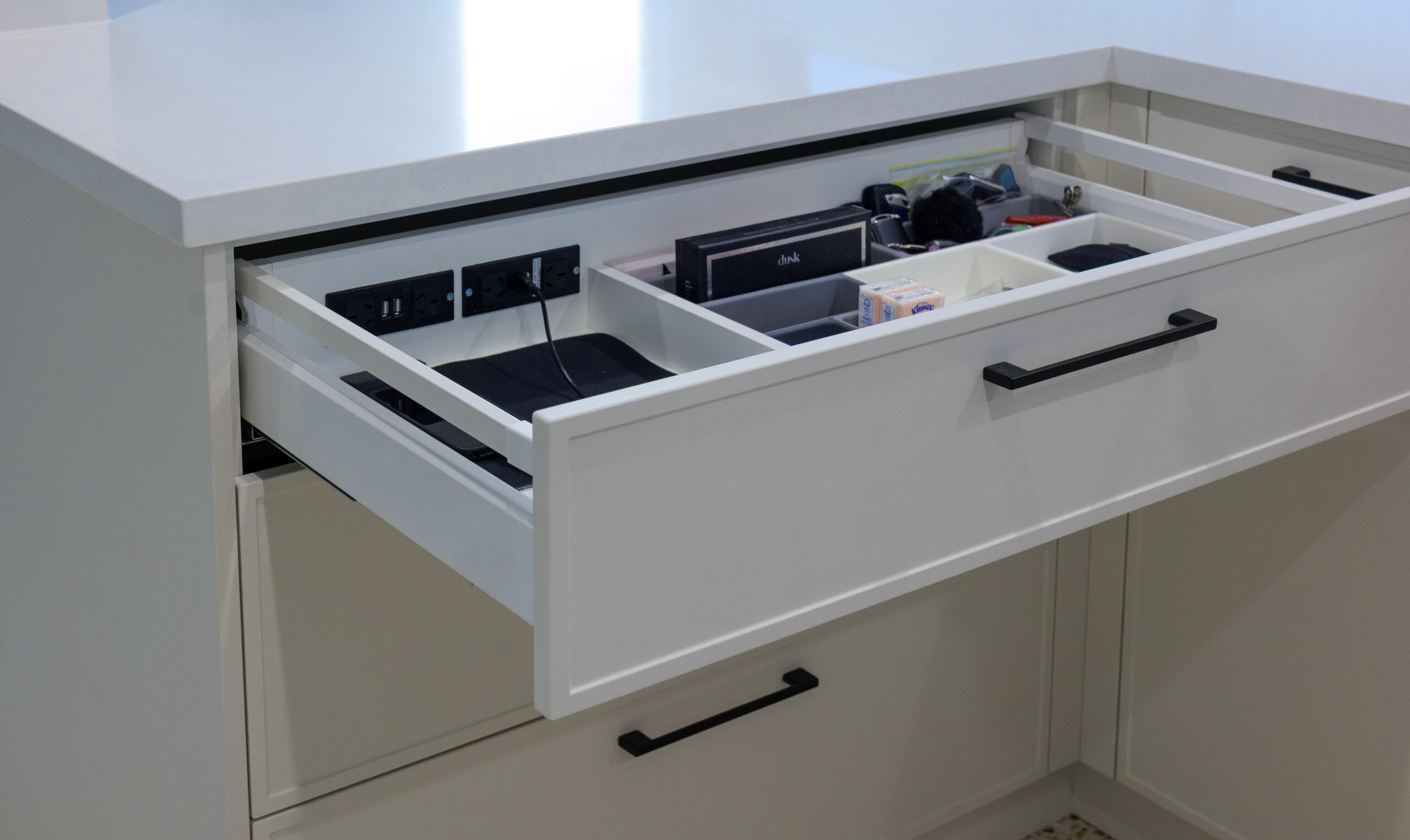
Clutter kills functionality. Well-planned storage keeps essentials within reach and hides away items you don’t use every day.
Examples of smart storage:
- Pull-out pantry shelves
- Deep drawers for pots and pans
- Hidden bins for waste and recycling
- Overhead cabinets for items you rarely use
With smart storage, everything has a place, and you’ll spend less time searching for that missing lid.
Ample Bench Space
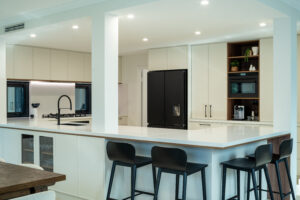
Bench space is more than a luxury, it’s essential. You need room to chop, mix, knead and plate meals without feeling cramped. A long, clear bench also doubles as a spot for homework, coffee with friends, or a space for entertaining.
Tip: Consider zones – one bench for prep, another near the sink for washing and maybe a breakfast bar for casual dining.
Lighting & Visibility
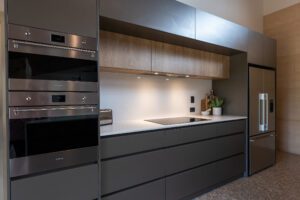
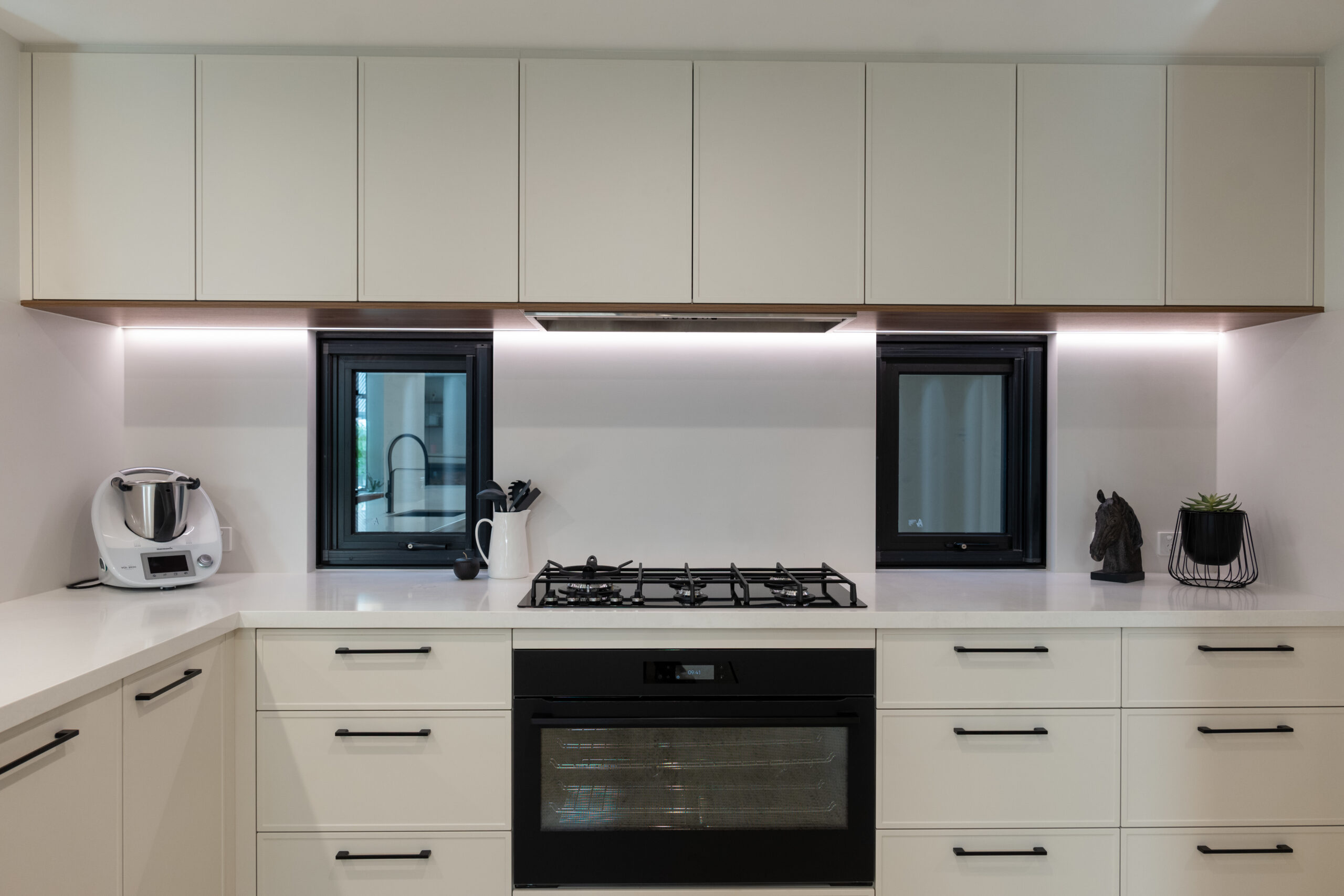
Good lighting isn’t just about aesthetics, it’s about safety and efficiency. Lighting over work areas ensures you can see clearly while chopping or cooking. Ambient lighting sets the mood and can highlight your design features.
Accessibility & Ease of Use
A functional kitchen accommodates everyone. Everyday items should be easy to reach, while infrequently used appliances can be stored higher or further back. Think about:
- Pull-out spice racks
- Soft-close drawers
- Easy-to-open doors for all ages
Why Function Matters
In summary, a functional kitchen saves time, reduces stress and makes cooking and entertaining more enjoyable. It’s not just about looks, it’s about creating a space that works for you and your lifestyle.
In summary, when planning a kitchen, think beyond the look. Focus on flow, storage, lighting and accessibility. A functional kitchen isn’t just a place to cook, it’s where you will create memories and live your best life.